


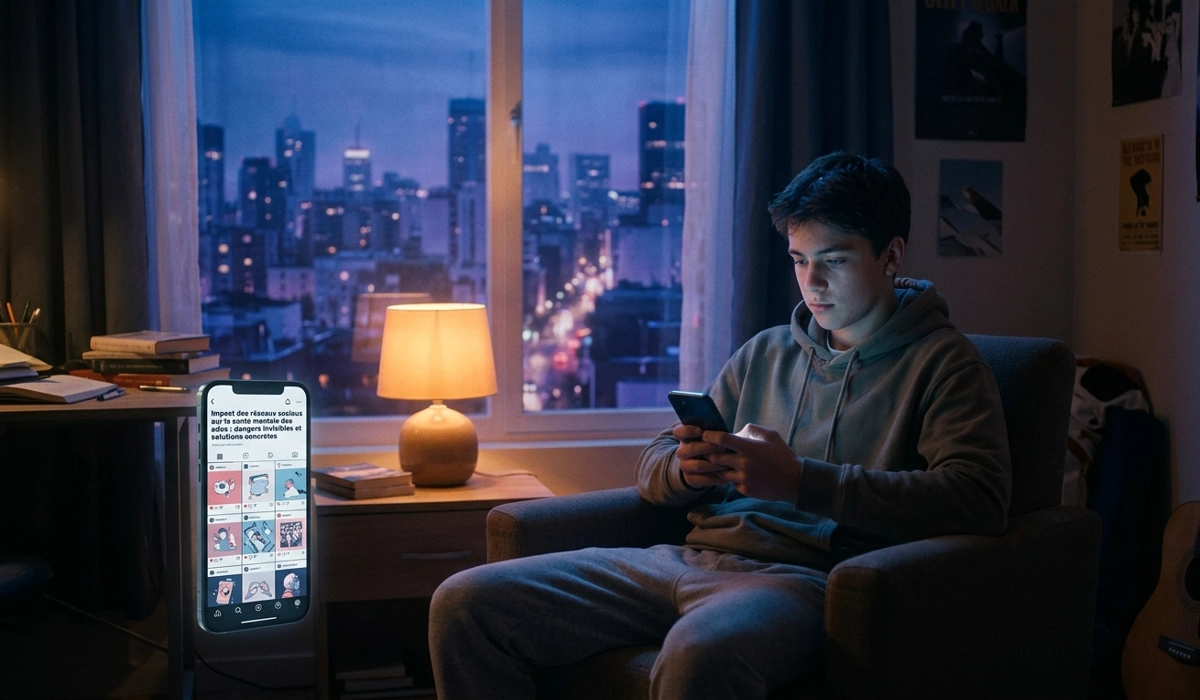

Immersive introduction
For many teens, checking TikTok, Instagram or Snapchat is the first thing they do in the morning and the last before falling asleep.
Likes, comments and streaks have become emotional currencies, shaping how they see themselves, their friendships and even their value in the eyes of others.
Research links heavy screen time and frequent social media use with higher rates of anxiety, depression, sleep problems and attention difficulties among adolescents.
At the same time, online communities can offer support, information and a sense of belonging, especially for teens who feel lonely or marginalized offline.
Section 1: Main risks, challenges and issues
Cyberbullying and public shaming: hurtful messages, threats and humiliating posts can spread quickly, damaging self-esteem and increasing the risk of anxiety, depression and self-harm.
Constant social comparison: endless highlight reels of “perfect” bodies and lifestyles make many teens feel inadequate, unattractive and excluded, fuelling insecurity and negative body image.
Excessive screen time: scrolling for hours replaces sleep, exercise and in‑person connections, contributing to irritability, fatigue, poor concentration and vulnerability to depressive symptoms.
Exposure to harmful or misleading content: extreme diets, self-harm posts, hate speech and misinformation normalize risky behaviours and distort teens’ understanding of health, relationships and reality.
Problematic or addictive use: notifications, infinite feeds and algorithms keep teens hooked, making it difficult to log off and encouraging habits similar to behavioural addictions in some cases.
Discover the Hidden Influence of Social Media on Your Mind and Emotions
In The Social Media Mind: How Apps Shape Your Thoughts and Emotions, dive deep into the psychology behind social media design and how it affects your daily life.
Section 2: Practical tips, solutions and best practices
Create a family media plan: agree on daily limits, screen‑free zones and bedtime rules so expectations are clear, consistent and focused on wellbeing instead of punishment.
Model healthy behaviour: adults who put phones away at meals, avoid scrolling late at night and respect limits make it easier for teens to follow the same boundaries.
Encourage regular digital breaks: suggest social media‑free evenings, weekends or specific “offline hours” to help the brain reset and make real‑world activities feel rewarding again.
Prioritize sleep, movement and offline hobbies: consistent bedtimes, physical activity and meaningful interests give teens emotional buffers that reduce the impact of online stress and drama.
Teach digital literacy and safety: show teens how to use privacy settings, block toxic accounts, report abuse and critically evaluate content rather than believing everything they see.
Why it matters
Adolescence is a sensitive period for brain and identity development, when peer approval, belonging and self-image strongly influence long-term mental health outcomes.
When social media dominates this stage, it can amplify existing vulnerabilities, especially for teens already struggling with anxiety, low self-esteem or mood difficulties.
Studies consistently find that problematic social media use is associated with poorer wellbeing, less sleep, more emotional distress and, in some cases, increased risky behaviours.
Yet, when used intentionally, in moderation and for supportive, constructive interactions, social media can help teens feel understood, connected and less alone.
Recognizing both sides of social media allows families, schools and communities to move from fear or denial toward practical, evidence-based strategies that truly protect teen mental health.
Frequently Asked Questions
Question 1: How many hours on social media is too much for teens?
Answer: Evidence suggests that using social media more than about three hours a day is linked with poorer mental health, especially when it replaces sleep and offline activities.
Question 2: What are warning signs that social media is harming my teen?
Answer: Watch for mood changes, sleep problems, slipping grades, social withdrawal, constant phone checking, and strong emotional reactions to online drama or notifications.
Question 3: Can social media ever be good for teenage mental health?
Answer: Yes, supportive communities, inspiring content and mental health resources can reduce loneliness and encourage help‑seeking, particularly when screen time is limited and monitored.
Question 4: What should parents do if their teen is cyberbullied?
Answer: Save evidence, block aggressors, report abuse to platforms and school, reduce exposure, and seek professional mental health support if your teen shows ongoing distress.
Conclusion and call to action
Social media is not going away, but the way we guide teens to use it can dramatically shift its impact from harmful to helpful.
You do not need to be a tech expert: start by talking openly about online experiences, agreeing on simple limits and revisiting those boundaries regularly as your teen grows.
Choose one small change today—a phone‑free dinner, a slightly earlier bedtime without screens, or a weekend “scroll detox”—and observe how it affects your teen’s mood and energy.