



Introduction
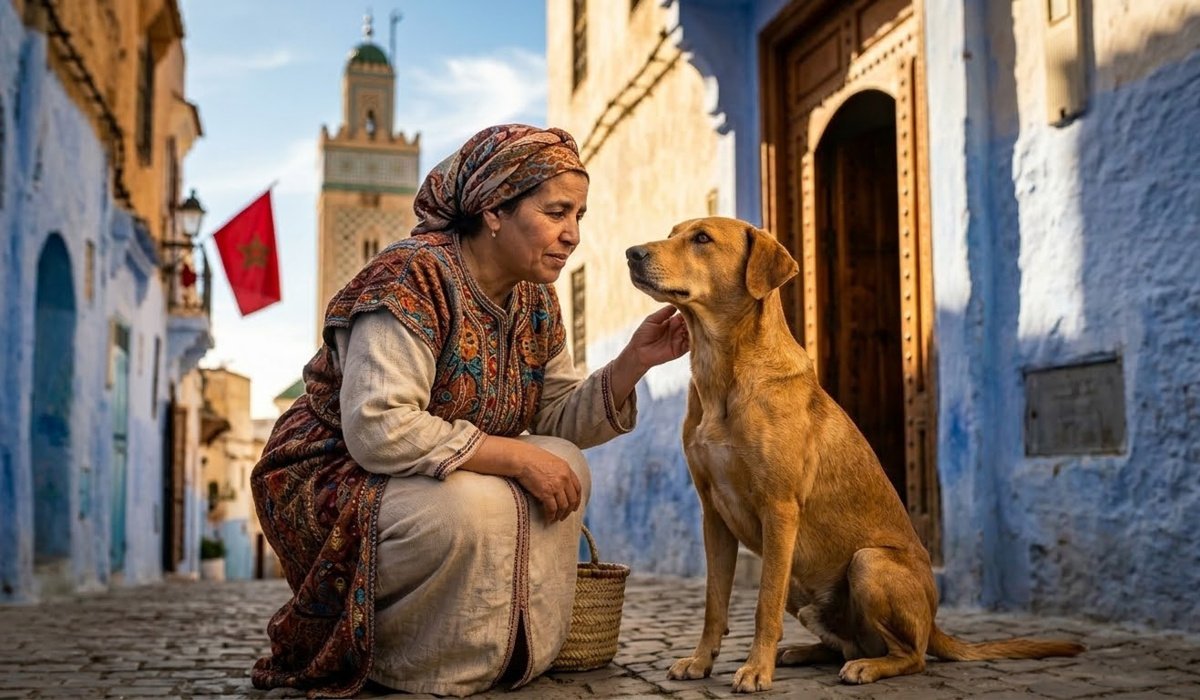
As Morocco prepares to co‑host the 2030 FIFA World Cup alongside Spain and Portugal, a wave of controversy erupted online: claims that the country was planning a mass culling of stray dogs to “clean up” its streets before the tournament. These allegations, fueled by viral posts and sensational headlines, sparked outrage among animal rights advocates worldwide. Yet after closer scrutiny, the story doesn’t hold up. Moroccan officials and local organizations have firmly denied the rumors, emphasizing that humane programs—not extermination—are guiding their approach to stray animal management.
How the Rumors Started
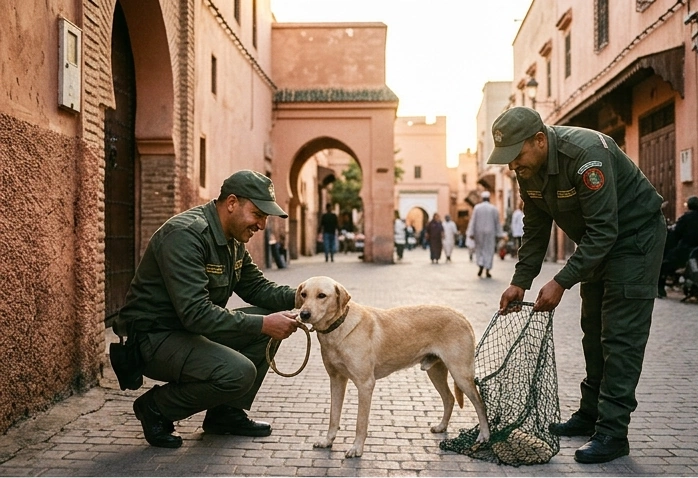
The controversy began in early 2026 when videos and photos circulated on social media showing municipal workers capturing stray dogs. Stripped of context, these images were interpreted as evidence of a brutal campaign to eliminate street animals ahead of the World Cup. Activists abroad amplified the narrative, suggesting Morocco was following a pattern seen in other host nations accused of similar practices.
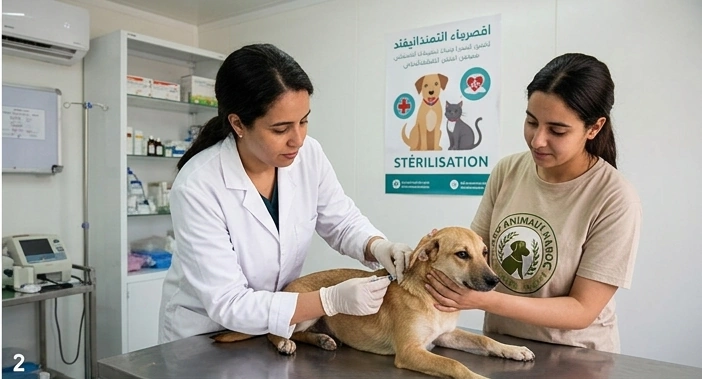
In reality, the footage depicted ongoing capture, sterilization, and vaccination programs—initiatives that have been in place for years. Morocco faces challenges with stray dog populations, particularly in urban areas, but its strategy has focused on reducing health risks like rabies while respecting international standards of animal welfare.
Official Response
The Moroccan Ministry of the Interior, along with several municipalities, issued public statements rejecting the allegations. Officials stressed that no mass culling is planned and highlighted partnerships with NGOs to expand sterilization and vaccination campaigns. These measures, they explained, are designed to protect both citizens and animals, ensuring safer communities without resorting to inhumane practices.
Authorities underscored that stray dog management is a public health issue, not a cosmetic one. Morocco has committed to international conventions on animal welfare, and the government insists it will uphold those commitments as it prepares for the global spotlight of the World Cup.
The Role of Local Organizations
Animal welfare groups within Morocco quickly stepped in to clarify the situation. Many confirmed that sterilization and vaccination drives are active in major cities, supported by volunteer veterinarians and public funding. These programs aim to stabilize stray populations and reduce disease transmission.
Local NGOs also criticized the spread of misinformation, noting that viral rumors undermine their work and erode public trust. They called for stronger communication efforts to prevent isolated images from being misinterpreted and weaponized online.
Protecting Morocco’s Global Image
Beyond the immediate animal welfare debate, the controversy touches on Morocco’s international reputation. Hosting the World Cup is a historic opportunity for the kingdom, and every aspect of preparation is under scrutiny. Negative narratives—especially those involving cruelty—risk overshadowing Morocco’s investments in infrastructure, tourism, and cultural promotion.
By swiftly debunking the rumors, Moroccan officials signaled their awareness of the stakes. The country is determined to present itself not only as a capable host but also as a responsible and ethical one.
Lessons from Other Hosts
This isn’t the first time such allegations have surfaced around major sporting events. Past hosts of the Olympics and World Cup have faced criticism for alleged culling of stray animals. Morocco appears intent on avoiding those mistakes, positioning itself as a nation that balances modernization with compassion.
International Reactions
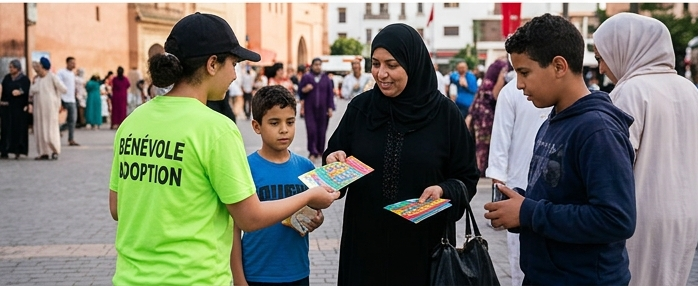
Global animal rights organizations welcomed Morocco’s clarifications. Some offered technical support to strengthen sterilization and vaccination programs, while others encouraged awareness campaigns to educate citizens about coexisting with stray dogs. Adoption initiatives are also being promoted as part of a long‑term solution.
Fans and advocacy groups abroad, initially alarmed by the rumors, expressed relief after the official denials. Still, many remain watchful, urging Morocco to provide transparent evidence of its humane policies in action.
Dynamic FAQ
Will Morocco kill stray dogs before the 2030 World Cup? No. Officials have denied any mass culling plans.
What measures are being taken instead? Capture, sterilization, and vaccination programs are underway in multiple cities.
Why did the rumors spread? Out‑of‑context videos and photos were misinterpreted and amplified online.
Is Morocco aligned with international animal welfare standards? Yes. The country has committed to conventions and works with NGOs to ensure humane practices.
How can citizens help? By supporting awareness campaigns, adopting stray dogs, and reporting cases of abuse.
Conclusion
The uproar over stray dogs in Morocco underscores the power of social media to shape global narratives—sometimes inaccurately. While the rumors of mass killings gained traction, official denials and NGO confirmations paint a different picture: one of ongoing humane programs aimed at sterilization, vaccination, and public education.
As the 2030 World Cup approaches, Morocco is keen to demonstrate that it can host the world’s biggest sporting event while honoring its responsibilities to both people and animals. The episode serves as a reminder that transparency and proactive communication are essential in the digital age, where misinformation can spread faster than truth.